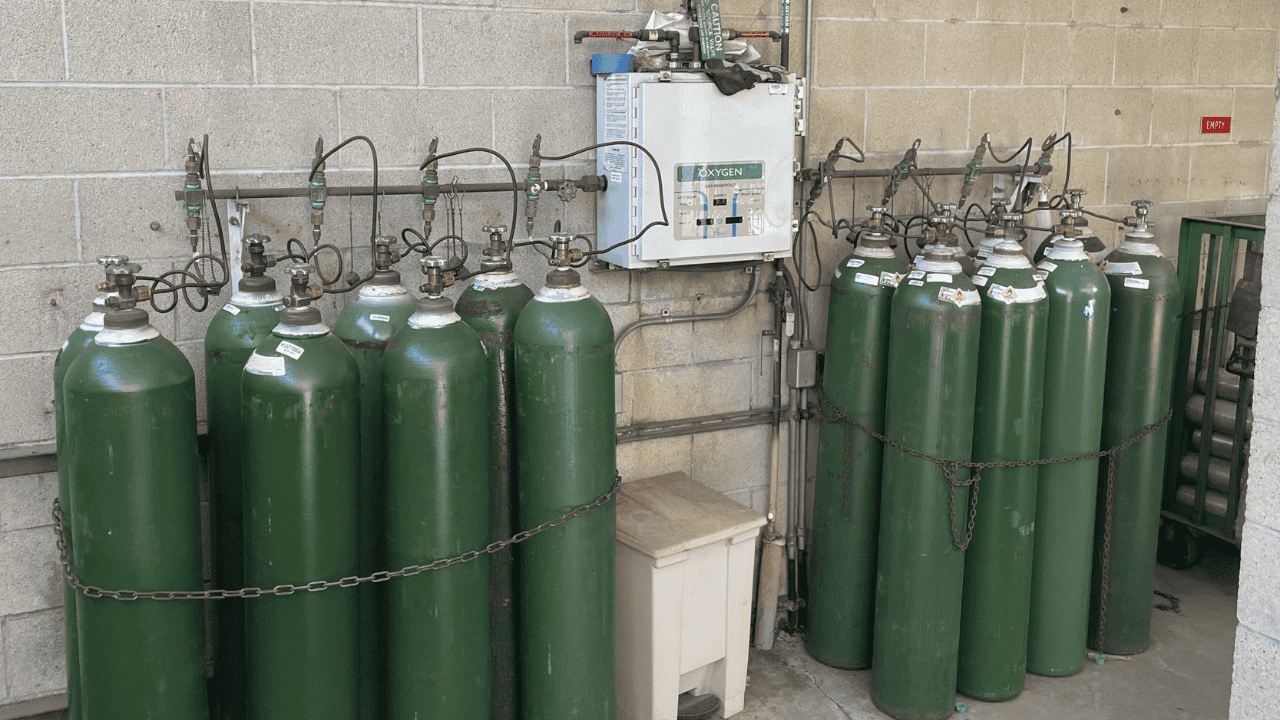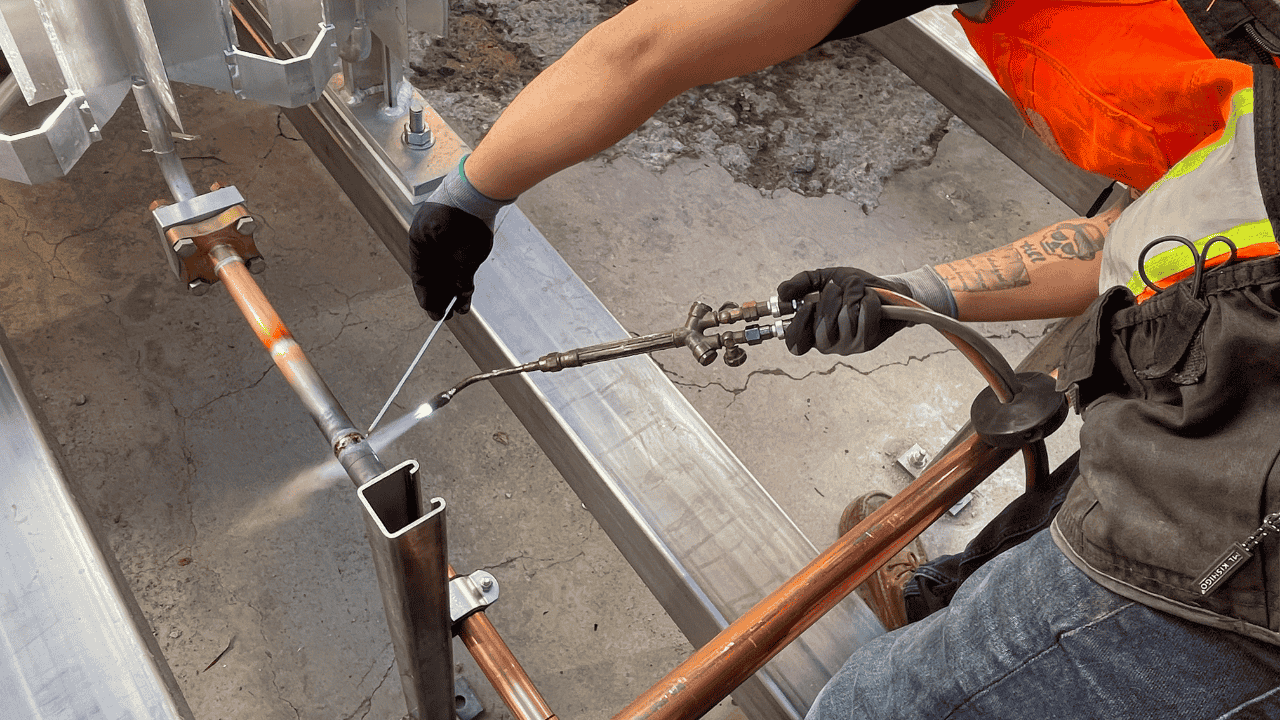
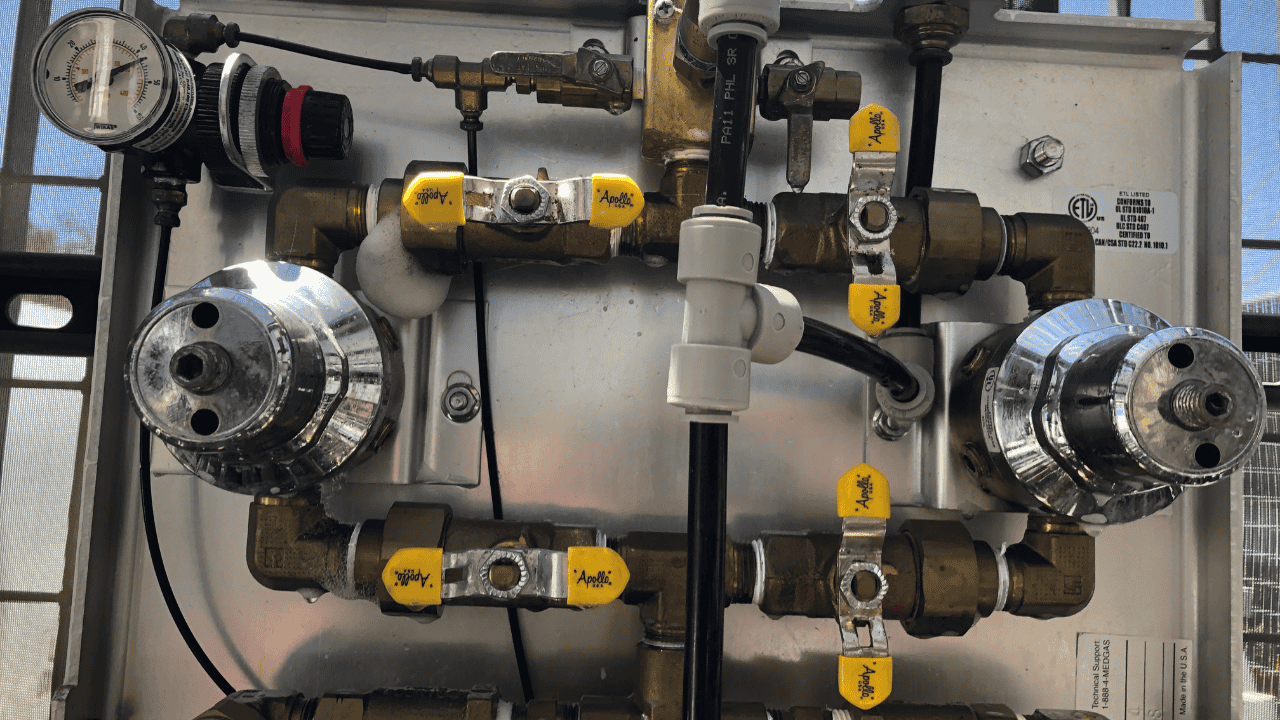
Medical gas installation is a specialized field that demands precision, attention to detail, and knowledge of strict industry regulations. Even small errors can result in safety risks, delays, and financial losses. In this blog, we’ll cover the most common installation mistakes and how to avoid them to ensure your work is both safe and compliant.
1. Improper Sizing of Piping and Equipment
One of the most common errors during medical gas installation is improperly sizing the piping and equipment. Medical gas systems must be designed to handle the correct volume of gas at the appropriate pressure for different areas of the healthcare facility.
- How to avoid it: Always refer to design specifications and engineering drawings before starting an installation. Ensure that the pipe sizes and equipment are matched to the system’s flow requirements. Inaccurate sizing can lead to reduced gas flow, pressure drops, and safety hazards.
2. Failure to Follow Code Standards
Medical gas systems are subject to strict codes and regulations, such as NFPA 99 (Health Care Facilities Code) and ASSE standards. Failure to adhere to these codes can lead to legal issues, system failures, and patient safety risks.
- How to avoid it: Before beginning installation, familiarize yourself with the latest code standards and regulations for medical gas systems. Always work with up-to-date drawings and verify that your installation complies with all regulatory requirements.
3. Inadequate Leak Testing
Leak testing is a crucial step in ensuring the safety and integrity of medical gas systems. Failing to perform thorough leak tests or using inadequate methods can result in undetected leaks, which pose significant risks.
- How to avoid it: Use proper leak detection equipment and follow the correct testing procedures as outlined in the training courses and manufacturer guidelines. Perform tests at multiple stages of installation to identify potential issues early.
4. Incorrect Installation of Gas Outlet Valves
Gas outlet valves must be installed according to specific guidelines to prevent cross-contamination and ensure proper function. Misinstallation of valves can cause system failures or contamination of gases.
- How to avoid it: Verify that all gas outlet valves are correctly installed according to the manufacturer’s instructions and comply with healthcare facility requirements. Label and color-code valves clearly to avoid confusion during operation.
5. Neglecting to Document Installation Procedures
Accurate documentation is essential to ensure that the system has been installed correctly and that all regulatory standards have been met. Without proper records, it can be difficult to verify the quality of work or conduct future maintenance.
- How to avoid it: Always maintain detailed records of your installations, including drawings, material specifications, and certifications. Keep these documents readily available for future inspections or audits.
Conclusion
Avoiding these common installation errors is critical to ensuring that medical gas systems operate safely and effectively. By following the correct procedures, adhering to codes and standards, and double-checking your work, you can help ensure that your installations are both compliant and safe.